
Speed is not a small detail in customer experience. It is the moment where a shopper decides whether to stay or leave.
Holiday traffic pushes customers to reach out with urgency. When they ask a sizing question or want to confirm delivery timing, they are close to purchasing. A slow answer interrupts that momentum.
Short response times keep shoppers engaged. Long waits introduce uncertainty, turning hesitation into lost revenue.
Slow replies create friction everywhere
Slow replies create friction across the entire customer journey, affecting both operational efficiency and customer confidence.
- Customers repeat themselves because they shift platforms searching for the quickest route to a real answer.
- Agents lose context as conversations appear across multiple channels without synchronization.
- Teams lose productivity trying to fix delays that could have been prevented with faster initial replies.
- Support queues grow even when questions are simple because slow responses create unnecessary backlog.
Research consistently shows that customer expectations for fast responses continue to rise.
Additional research reinforces that quick replies increase purchase likelihood and strengthen long term satisfaction according to Zendesk.
The expectation is clear. Response time influences trust, retention, and revenue more than any other service metric.
The multichannel problem that slows teams down
Holiday shoppers often reach out across multiple channels depending on what feels fastest in the moment.
- Reply to an email
- Send a follow up WhatsApp message
- Drop a question in Instagram comments
- Try the website chat when other channels feel slow
When channels are disconnected, your team receives fragmented conversations while customers experience a single thread. That mismatch slows everything down.
Why AI response time matters
This is where modern AI closes the gap between customer urgency and brand capacity.closing the gap
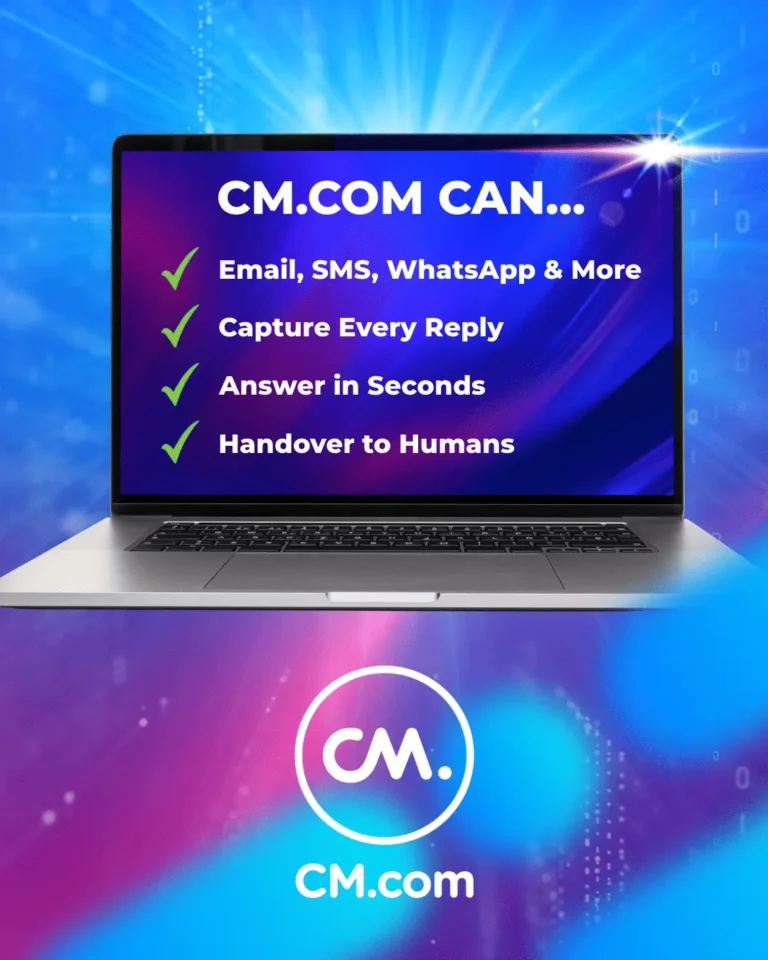
AI can perform key tasks instantly:
- Answer routine questions instantly
- Understand the customer’s intent from the message
- Access order or policy information without delay
- Send complex issues to the right human with full context
Freshworks reports that businesses using AI in customer service reduce first response time by up to 30 percent.
Speed is a direct contributor to customer confidence. When shoppers know they will get quick answers, they stay engaged.
Why speed improves everything downstream
Fast replies have a measurable effect across the business.
- Higher conversion because customers stay in the buying moment
- Fewer returns because buyers confirm details before checkout
- Less channel switching because questions get answered the first time
- Lower service costs due to fewer tickets and more automation
When brands deliver fast customer service consistently, shoppers reward them with higher loyalty and more repeat purchases.
Speed is no longer operational. It is strategic.
Speed has become one of the clearest CX differentiators. Customers do not wait for brands to catch up.
Retailers investing in unified channels, faster messaging, and AI driven workflows stand out from competitors.
A slow reply can appear minor in the moment, but it often defines whether a customer chooses to return.